Blogs

Hernia Surgery

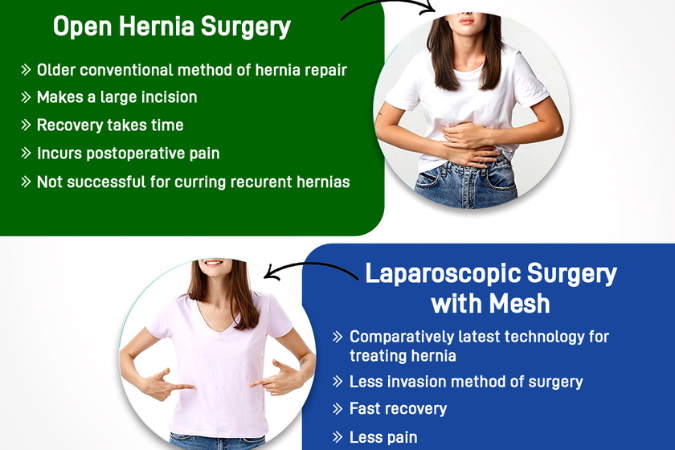
A hernia is a painful condition where an internal organ protrudes from a weakened area in the muscles around it. There are various types of hernias which include inguinal hernia, umbilical hernia, hiatal hernia, etc. Usually, a hernia needs medical attention as it is highly improbable to go away on its own. Hernia operation also termed as herniorrhaphy, is the surgical procedure that removes the hernia. These are chiefly of two types – laparoscopic surgery and open surgery. If you are dealing with hernia pain, it’s time to get rid of it. Read this blog to know everything in detail.

Types of Hernia Surgery

1. Laparoscopic hernia surgery
2. Open or traditional hernia surgery
Read More

Kideny Stones

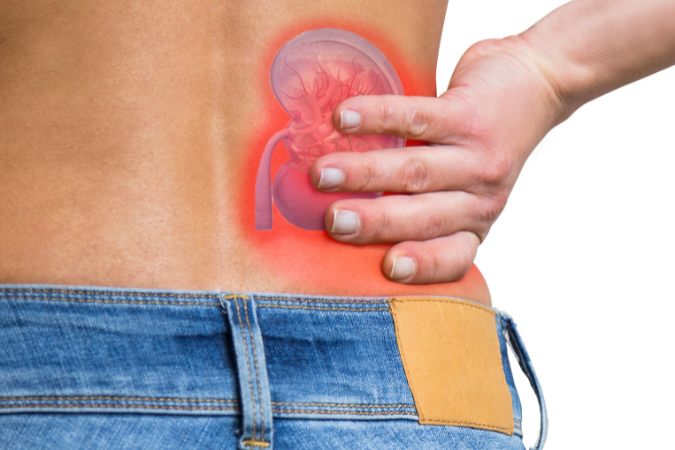
Kidney stones can be a serious problem. A kidney stone is a hard object made from chemicals in the urine. There are five types of kidney stones:
* Calcium oxalate: Most common, created when calcium combines with oxalate in the urine.
* Calcium phosphate: Can be associated with hyperparathyroidism and renal tubular acidosis.
* Uric acid: Can be associated with a diet high in animal protein.
* Struvite: Less common, caused by infections in the upper urinary tract.
* Cystine: Rare and tend to run in families with a history of cystinuria.

Kidney Stones Prevention


1. Drinking enough water each day
2. Eat a healthy diet and maintain a healthy weight.
3. Manage blood pressure and sodium intake.
4. Citrate might also be used to help prevent certain stones.
5. Alkali citrate can be prescribed and is available over the counter.
6. People should remember to speak with a doctor or other healthcare professional about which treatment options are right for them.

Read More

IVF

IVF (In Vitro Fertilization)


The process starts with an initial consultation with our Fertility Specialist (reproductive endocrinologist). Meanwhile this consultation, the IVF Specialist will review your medical history, conduct a physical examination, and may order some tests to evaluate your fertility potential. These tests may include blood work, hormonal evaluations, and imaging studies.

1. Ovarian Stimulation
2. Egg Retrieval
3. Sperm Collection
4. Fertilization
5. Intracytoplasmic Sperm Injection (ICSI)
6. Embryo Development
7. Embryo Transfer
8. Embryo Freezing (Cryopreservation)
9. Pregnancy Test

Read More

IUI

Intrauterine insemination (IUI)


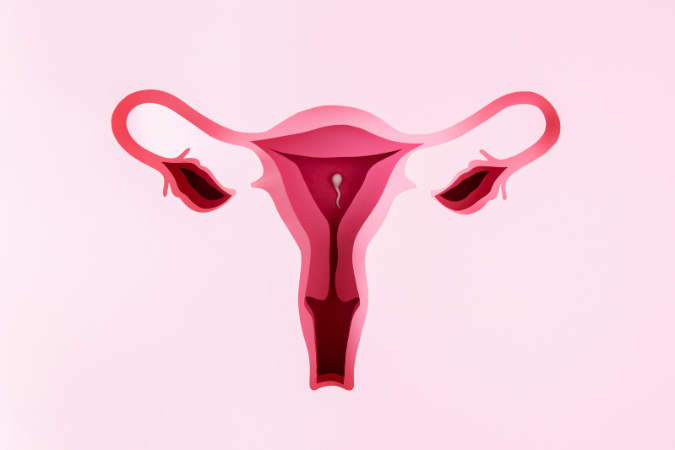
It is a fertility treatment procedure that involves placing sperm directly into the woman’s uterus during the optimal time for conception. It is a commonly used assisted reproductive technology (ART) that can be an effective treatment option for certain fertility issues.

Here how IUI generally works:
1. Ovarian Stimulation (Optional)
2. Monitoring Ovulation
3. Sperm Collection and Preparation
4. Insemination Procedure
5. Rest and Monitoring
6. Pregnancy Testing

Read More

ICSI

ICSI ( IntraCytoplasmic Sperm Injection )

It is a specialized technique used in assisted reproductive technology (ART) to facilitate fertilization during in vitro fertilization (IVF). It is primarily used when there are concerns about the sperm’s ability to fertilize an egg naturally or in cases of male infertility.

Here’s how ICSI works:


1. Preparation
2. Egg Retrieval
3. Sperm Collection
4. Microinjection
5. Fertilization and Embryo Development
6. Embryo Transfer

Read More